Across competitive industries, the secret to powerful market movement lies not only in product excellence but also in the art of motivating consumers. When businesses understand the complex web of influences behind every purchase decision, they can design incentive programs that resonate on a deep, personal level. This article explores how psychological, economic, social, and emotional drivers shape consumer behavior and reveals practical strategies for crafting incentives that spur sustainable growth.
Understanding the Psychological Heart of Consumer Behavior
At the core of every buying decision are human motivations and perceptions, often invisible yet undeniably influential. internal drives ranging from basic physiological needs to aspirational desires form the bedrock of motivation. When consumers feel hungry, safe, or connected, they are more inclined to engage with brands that promise to satisfy these needs.
Perception also plays a vital role: how information is framed, the emotional cues embedded in messaging, and past experiences all color the lens through which an offer is viewed. Learning mechanisms, whether through positive reinforcement or classical conditioning, can cement preferences and build long-term loyalty. By tapping into these mental processes, brands can create incentives that feel natural, rewarding, and impossible to ignore.
Economic and Social Influences on Purchasing Decisions
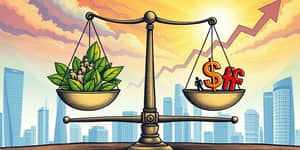
Alongside psychological factors, personal circumstances and the broader economic landscape shape spending habits. When disposable incomes rise, consumers feel empowered to explore, upgrade, and indulge. Conversely, in uncertain times, financial stability and credit access become paramount, prompting tighter scrutiny of every dollar spent. Social factors such as word-of-mouth, peer endorsements, and cultural values also affect the uptake of incentives, as individuals seek alignment with the expectations of their communities.
- Age and life-cycle stage influence product preferences
- Occupation and income determine purchasing power
- Lifestyle choices and personality shape brand affinity
- Gender roles and self-concept affect decision triggers
- Regional economic conditions modulate consumer confidence
Structuring Effective Incentive Programs That Transform Markets
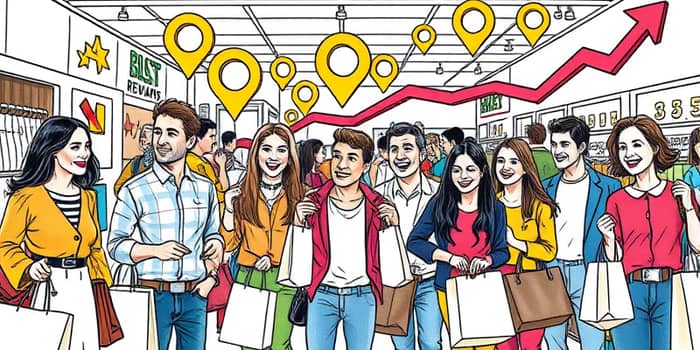
Incentive programs can take diverse forms, from simple rebates to sophisticated points-based systems. The most successful initiatives combine clarity, accessibility, and emotional appeal. For B2B contexts, volume rebates and product-mix discounts can align manufacturer and distributor goals, while B2C approaches thrive on immediate gratification or the promise of an aspirational reward.
By offering a clear path from action to reward, brands can capitalize on the stimulus-response cycle creating motivation that drives repeat behavior. Automated portals and transparent tracking make redemption effortless, reinforcing positive associations and building trust. When partners and consumers know exactly how to claim rewards, participation rates soar and the overall return on investment becomes unmistakable.
Measuring Impact: The Data and Metrics That Matter
Data is the lifeblood of any incentive strategy. By analyzing redemption rates, average order values, and channel performance, marketers gain the intelligence needed to refine and optimize programs. Surveys and direct customer feedback during claim processes can surface insights into purchase drivers and potential friction points.
- Price sensitivity as a key performance indicator
- Brand awareness uplift measured through surveys
- Customer loyalty gauged by repeat redemption rates
- Regional performance trends identified via sales data
Advanced business intelligence platforms transform raw redemption and sales figures into actionable insights that drive strategic decisions. By comparing performance across regions and partner categories, marketers can pinpoint high-potential segments and tailor future promotions accordingly. Early detection of purchasing trends enables proactive adjustments, ensuring that incentive budgets are allocated where they yield the greatest return. This data-driven approach turns standard rebate and reward schemes into powerful engines of competitive advantage.
Harnessing Incentives to Navigate Economic Uncertainty
In periods of inflation or recession, incentives can serve as powerful economic buffers. By temporarily enhancing the perceived value of products—through cash-back offers or extended rewards—brands can maintain momentum even when consumer confidence wanes. Such programs also foster goodwill, positioning companies as partners in financial well-being rather than mere sellers.
During challenging times, aligning incentives with consumer values—such as sustainability credits or community-focused rewards—can amplify emotional connections. Values and beliefs alignment is no longer optional; it is a decisive factor in differentiating brands. When consumers see that their purchases contribute to causes they care about, the incentive transcends monetary benefit and becomes a statement of personal identity.
Designing resilient incentive programs requires a holistic view of market context, consumer psychology, and operational feasibility. By blending creative narratives with robust data analytics, organizations can architect initiatives that not only weather economic storms but also emerge stronger, driving lasting loyalty and growth.
Ultimately, the most transformative incentives are those that spark genuine excitement, foster deep connections, and deliver tangible value. By understanding and addressing the full spectrum of consumer motivations, businesses can unlock new levels of market engagement, ensuring that every program is not just a transaction, but a meaningful experience.
References
- https://incentiveinsights.com/solutions/consumer-incentives/
- https://www.cxtoday.com/customer-engagement-platforms/behind-the-choices-exploring-the-four-key-drivers-of-consumer-behavior/
- https://www.360insights.com/blog/how-to-ensure-points-based-incentive-programs-really-drive-sales
- https://www.clootrack.com/knowledge/customer-behavior-analytics/major-factors-influencing-consumer-behavior
- https://incentiveinsights.com/understanding-rebate-managment-services/
- https://www.suzy.com/blog/key-drivers-analysis
- https://incentiveinsights.com/build-demand-with-incentives/
- https://luthresearch.com/glossary/what-drives-customer-behavior-understanding-the-key-factors/
- https://incentiveinsights.com/solutions/
- https://www.rasmussen.edu/degrees/business/blog/5-factors-that-influence-consumer-behavior/
- https://incentiveinsights.com
- https://online.mason.wm.edu/blog/what-is-consumer-behavior-why-is-it-important
- https://www.incentivemarketing.org/IESP/IESP/Resources/WhitePaper/How-to-Offer-the-Incentives-Rewards-Theyre-Willing-to-Work-For.aspx
- https://www.surveymonkey.com/market-research/resources/purchase-drivers/
- https://incentiveinsights.com/blog/