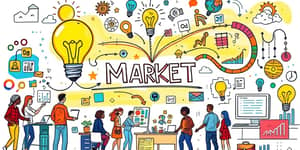
Markets are living systems shaped by countless forces, from global economic shifts to the subtleties of human psychology. In this article, we explore how incentives translate underlying trends into measurable actions, fueling growth and innovation. By examining the interplay of drivers and motivations, professionals can craft strategies that resonate deeply with both organizations and consumers.
Core Concepts: Markets, Customer Behavior, and Incentives
A clear conceptual foundation is essential before diving into complex analyses. At its heart, market trends are patterns of change driven by economic, technological, cultural, and regulatory factors. Understanding these forces empowers leaders to anticipate shifts and adjust course proactively.
Consumer behavior reflects how individuals select, purchase, use, and dispose of goods and services. It encompasses perception of product value and credibility as well as deeper desires, social norms, and cognitive biases. Integrating insights from psychology and economics reveals why people respond to certain incentives and ignore others.
- Financial: commissions, bonuses, rebates
- Non-financial: recognition, status, autonomy
- Consumer-facing: discounts, loyalty points, limited-time offers
Each form of incentive creates a visible connection between effort and outcome, guiding choices and behaviors across sales channels, partner networks, and end customers.
Key Market Drivers Shaping Trends
Markets are propelled by a mixture of macro and micro forces. By dissecting these drivers, organizations gain foresight into evolving demands and competitive dynamics.
Economic conditions such as GDP growth, unemployment rates, and inflation directly influence purchasing power and consumer confidence. When incomes rise, shoppers explore premium options; during downturns, price sensitivity spikes and value brands flourish.
Technological innovation rewrites the rules of engagement. From e-commerce breakthroughs to AI-powered personalization, companies harness digital tools to capture real-time insights and deliver hyper-targeted incentives. Data analytics platforms monitor clicks, purchases, and social interactions, enabling iterative refinement of promotions.
Customer preferences evolve alongside cultural and social trends. Sustainability, wellness, and inclusivity shape everything from product design to messaging. Brands that align incentives with ethical values foster trust and long-term loyalty.
Competition and regulation further sculpt the landscape. Aggressive pricing wars or new compliance requirements can reset consumer expectations overnight, forcing rapid adaptation of incentive programs.
Psychological and Behavioral Forces Behind Incentives
incentives succeed or fail based on deep-rooted human motivations. Recognizing these forces ensures programs tap into genuine desires rather than superficial triggers.
At the core are psychological factors: perceptions of value, risk aversion, and cognitive biases like loss aversion or present bias. Equally important are social influences—peer approval, family guidance, and the growing power of online communities and influencers.
- Psychological: attitudes, beliefs, past experiences
- Social: peer groups, social proof, influencer impact
- Cultural: values, traditions, macro social movements
- Personal: age, income, lifestyle, personality traits
- Economic: income levels, credit access, financial security
- Technological: digital literacy, device usage, platform comfort
These factors shape how consumers perceive effort versus reward. Whether motivated by functional benefits—convenience, savings—or emotional drivers like identity and belonging, the right incentive creates a compelling reason to act.
Designing Effective Incentive Programs
Crafting incentives requires balancing organizational objectives with consumer motivations. While financial rewards deliver immediate impact, sustainable engagement often hinges on combining extrinsic and intrinsic elements.
Intrinsic incentives—such as mastery, autonomy, and purpose—tap into the fundamental human need for growth. When aligned with external rewards, they lead to long-term engagement and loyalty.
- Timing: schedule rewards close to desired actions
- Transparency: clearly link efforts to outcomes
- Alignment: synchronize incentives with strategic goals
- Appropriate size: ensure rewards feel valuable but cost-effective
Successful programs employ agile feedback loops, monitoring performance data to iterate offers and thresholds. By leveraging real-time tracking of consumer behavior, marketers can tweak messaging, reward levels, and eligibility criteria for optimal ROI.
Conclusion: Harnessing Incentives for Lasting Impact
Understanding the interplay between market drivers and human motivations unlocks powerful strategies that resonate at scale. By grounding incentive design in robust research and thoughtful psychology, organizations can influence behavior ethically and effectively.
As markets evolve, so must incentive frameworks. Embracing continuous experimentation, transparent communication, and a nuanced blend of rewards ensures programs remain agile and impactful. Ultimately, incentives are far more than promotional tools—they are bridges connecting business goals with human aspirations, fueling growth and fostering meaningful relationships.
References
- https://incentiveinsights.com/build-demand-with-incentives/
- https://luthresearch.com/glossary/which-factors-influence-market-trends/
- https://www.prowi.io/en/post/incentives-that-work-the-psychology-behind-motivation-in-sales-organizations
- https://www.keiseruniversity.edu/articles/consumer-behavior-understanding-market/
- https://incentiveinsights.com
- https://nielseniq.com/global/en/info/consumer-behavior/
- https://theirf.org/research_post/incentives-motivation-and-workplace-performance-research-and-best-practices/
- https://www.clootrack.com/knowledge/customer-behavior-analytics/major-factors-influencing-consumer-behavior
- https://www.varicent.com/blog/motivate-sales-teams-with-sales-incentives
- https://www.productmarketingalliance.com/what-influences-customer-behavior/
- https://www.one10marketing.com/resources/blog/maximizing-sales-understanding-the-benefits-of-sales-incentive-programs/
- https://www.youtube.com/watch?v=L4MBOZYcZuA
- https://incentiveinsights.com/solutions/
- https://www.theknowledgeacademy.com/blog/factors-influencing-consumer-behaviour/