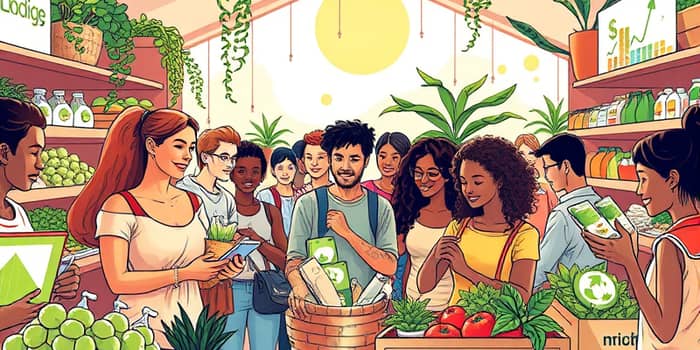
In 2026, amidst slowing growth and inflation pressures, consumers are rewriting the rulebook on spending. What began as simple budgeting has become a movement of intentional, values-aligned purchasing decisions that drive both personal wealth and global well-being.
By evolving from frugality to conscious consumption, individuals transform everyday transactions into powerful tools for lasting prosperity and sustainability.
The Journey from Frugality to Mindful Consumerism
Following the 2008 financial crisis, many households adopted strict saving and cost-cutting measures. While those practices built resilience, they often carried anxiety and limited enjoyment. Today’s mindful approach goes beyond austerity. It emphasizes aligning each expense with long-term goals, from retirement funds to carbon footprint reduction.
In the past decade, annual US food and beverage sales driven by conscious choices reached $350 billion in market value, highlighting the shift from price alone to purpose and quality.
Defining Mindful Spending and Its Benefits
At its core, mindful spending means distinguishing needs from wants, evaluating costs against benefits, and choosing options that support both financial and ethical objectives. This approach offers several advantages:
- Reduced financial stress and anxiety through clarity on expenditures and goals.
- Accelerated wealth building via consistent investing driven by savings reinvested into diversified portfolios.
- Lasting satisfaction from value-driven purchases rather than impulse buys that depreciate quickly.
- Positive environmental and social impact by supporting sustainable and ethical brands.
Key Drivers Shaping Conscious Consumption
Three major factors propel this evolution:
- Economic Realities: Slower global growth and rising inflation have shifted priorities toward quality and efficiency, deterring impulsive spending.
- Generational Influence: Gen Z, now 40% of buyers, pays 48% more for purpose-led brands, and 73% seek sustainable products, fueling a market redefinition.
- Sustainability Awareness: 80% of consumers would devote similar effort to climate recovery as they did to COVID recovery, driving demand for eco-friendly solutions.
Practical Strategies for Conscious Spending
To transition from autopilot purchases to deliberate choices, adopt these frameworks:
- Awareness: Track daily habits to spot “leakage” in spending. Review bank statements weekly and categorize expenses.
- Decision Framework: Before buying, ask how this purchase aligns with your values, goals, and long-term cost-benefit analysis.
- Impulse Controls: Switch from credit cards to cash in categories prone to overspending. Enforce a 48-hour pause for non-essential items.
- Automated Investing: Set up recurring transfers to savings and investment accounts to harness the power of compound growth without active intervention.
Consumer Segments in 2026
As budgets tighten, two distinct groups emerge:
- Confident Curators: One-third of households report improved finances. They favor premium, sustainable options, increasing store visits by 30% and purchasing natural or organic channels 29% more often.
- Constrained Strategists: These consumers prioritize efficiency—43% fewer trips, 49% private-label purchases, and reliance on bulk buys (29%) and promotions (57%). Their focus is strict cost management.
Risks and Opportunities in the New Landscape
While conscious consumption opens doors, potential pitfalls exist. Impulsivity still threatens budgets, and an economic downturn may drive trade-downs to value retailers. Yet, proactive consumers can harness opportunities:
- Authentic Brand Engagement: Supporting companies with transparent practices strengthens loyalty and encourages product innovation.
- Recommerce Growth: Buying and selling used goods minimizes waste and offers budget-friendly options.
- ESG Investment Platforms: Tools like sustainable neobanks and ESG-focused funds, projected to reach $50 trillion by 2025, empower consumers to align finances with their values.
Broader Impacts on Industries and Society
The ripple effects of conscious spending extend far beyond personal balance sheets. In the consumer packaged goods sector, sustainable products grew 54.7% from 2015 to 2019, now accounting for 16.1% of the market. Financial services have seen a rise in purpose-driven offerings, from green mortgages to retirement plans that exclude fossil fuels.
Employees and brands alike are championing social issues. In a digitally connected world, transparency is non-negotiable: hidden supply chain flaws can quickly erode reputation, while genuine sustainability efforts boost brand equity and revenue.
Practical Implementation Checklist
Start your journey today with this simple roadmap:
Conclusion: From Surviving to Thriving
As 2026 unfolds, smart spending is no longer optional—it’s essential. By adopting conscious consumption as a wealth-building tool, you not only fortify your finances but also contribute to a more sustainable world. Each purchase becomes an investment in your future and the planet’s health.
Embrace this evolution today: align your dollars with your deepest values, automate your growth, and watch your wealth—and well-being—flourish.
References
- https://changeofthinking.com/p/the-smart-spenders-guide-mindful-consumption-maximum-wealth/
- https://www.paconsulting.com/insights/conscious-consumerism-is-transforming-industries
- https://yonkerstimes.com/from-saving-to-thriving-how-smart-money-moves-build-long-term-wealth/
- https://www.spins.com/resources/report/the-conscious-consumer-how-values-are-reshaping-the-american-basket/
- https://www.iwillteachyoutoberich.com/smart-money-habits/
- https://www.cleanhub.com/blog/conscious-consumerism
- https://strongmoneyaustralia.com/how-to-make-better-financial-decisions/
- https://www.market-xcel.com/us/blogs/conscious-consumerism-usa-sustainability
- https://flourishwealthmanagement.com/resources/blog/smart-strategies-to-consider-for-building-wealth-over-time/
- https://bschool.pepperdine.edu/personal-growth/article/conscious-consumerism.htm
- https://savantwealth.com/savant-views-news/article/evolving-your-financial-mindset/
- https://www.fdfwealth.com/resource-center/lifestyle/a-path-to-serenity-and-smart-money-choices
- https://www.mckinsey.com/industries/consumer-packaged-goods/our-insights/state-of-consumer
- https://heritagewealthplanning.com/the-art-of-spending/