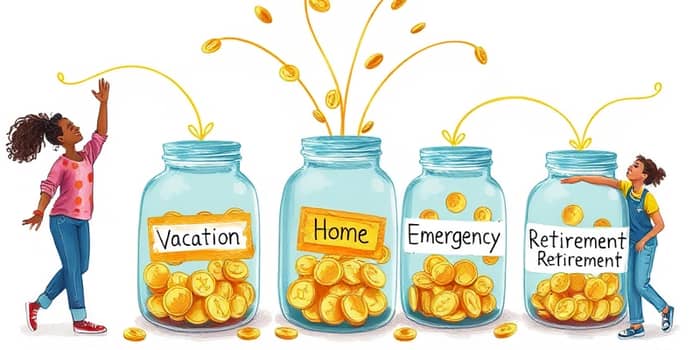
Saving money doesn’t have to be a passive afterthought. With clear targets and proven techniques, anyone can transform their finances. In this guide, we explore how to align every dollar you set aside with specific ambitions—from weekend getaways to long-term security.
Understanding Smart Saving
Intentional saving tied to clear goals is the heart of smart saving. Rather than hoarding whatever is left over, you define what you want, how much it costs, and when you need it. Smart saving combines:
- Goal-setting frameworks like SMART goals
- Budgeting methods such as 50/30/20 or zero-based
- Behavioral tactics like automation and envelope systems
These techniques apply to short-term, medium-term, and long-term goals alike. Whether you’re building an emergency cushion or funding retirement, each objective demands its own plan.
Setting SMART Savings Goals
The SMART framework ensures your targets are crystal clear. It stands for Specific, Measurable, Achievable, Relevant, and Time-bound. To harness its power:
- Assess current finances: tally income, list expenses, and spot overspending.
- Identify priorities: categorize goals as short-term (under 1 year), medium-term (1–5 years), or long-term (5+ years).
- Make goals SMART: for example, “Save $1,200 in 12 months by setting aside $100 each month.”
- Plan for setbacks: build a buffer for unexpected costs and review progress quarterly.
Breaking large aspirations into milestones—like $500 increments toward a down payment—keeps motivation high. Align each aim with your values and lifestyle to sustain momentum.
Budgeting Methods that Empower Your Goals
Choosing the right budgeting approach can transform your plan from theory into action. Here’s a quick comparison:
Within each method, you can designate sub-buckets. In 50/30/20, your 20% savings might split into 10% retirement, 5% emergency fund, and 5% debt payoff. A zero-based plan could assign exact dollar amounts to every goal account. Remember to break big goals into smaller tasks to stay on track.
Core Tactics and Behaviors
Budgeting lays the foundation, but daily habits build lasting success. Adopt these tactics:
- Automate transfers on each payday to goal accounts.
- Maintain separate accounts for different goals to prevent mixing funds.
- Track spending leaks and adjust categories monthly.
By treating savings like a bill—pay yourself first like a bill—you remove temptation and ensure consistency. Periodic reviews let you celebrate wins and recalibrate targets as circumstances change.
Conclusion: Turning Plans into Progress
Smart saving is more than a set of rules—it’s a mindset that links every dollar to a purpose. With SMART goals, targeted budgets, and disciplined behaviors, you can conquer any financial objective. Start today by choosing one goal, designing your budget, and automating the first transfer. Over time, small steps accumulate into significant financial achievements that secure your future and fuel your dreams.
References
- https://www.wecu.com/setting-smart-financial-goals/
- https://www.citizensbank.com/learning/budgeting-strategies.aspx
- https://www.websterfirst.com/blog/smart-financial-goals/
- https://capstonecfo.com/blog/effective-budgeting-strategies-aligning-your-financial-goals-with-business-objectives
- https://myht.bank/smart-financial-goals-a-guide-to-smart-savings-in-2024/
- https://dfpi.ca.gov/news/insights/successful-budgeting-and-financial-planning-for-the-new-year/
- https://valliance.bank/blog/strategies-to-achieve-financial-goals
- https://www.accountingdepartment.com/blog/ten-ways-to-improve-your-budgeting-forcasting
- https://www.synchrony.com/blog/banking/how-to-create-realistic-savings
- https://www.fidelitybankonline.com/effective-budgeting-101-a-beginners-guide/
- https://blog.umb.com/personal-banking-tips-top-six-savings-tips-for-building-and-optimizing-your-savings-plan/
- https://dfr.oregon.gov/financial/manage/pages/budget.aspx
- https://bettermoneyhabits.bankofamerica.com/en/saving-budgeting/ways-to-save-money
- https://www.wvjc.edu/7-tips-for-budgeting-and-staying-focused-on-your-goals/
- https://www.youtube.com/watch?v=RyOHD_q750o