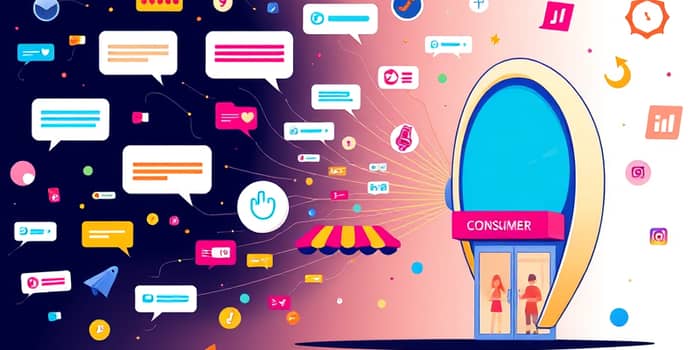
In the dynamic marketplace of 2026, brands that master the art of listening will gain a powerful edge. Consumers no longer shout their preferences through massive trends; they whisper through reviews, social posts, pricing behavior, and search patterns. To thrive, companies must tune into those subtle signals and adapt with agility and empathy.
The new language of demand
Traditional trend cycles move slowly, but the digital age has accelerated consumer signals to a constant hum. Brands can no longer wait for quarterly reports; they must interpret the early echoes of desire in real time. These whispers emerge across multiple channels:
- Search engine queries and keyword spikes
- Product reviews and ratings
- Social media comments and influencer testimonials
- Direct messages and community forums
- In-store merchandising shifts
By harnessing real-time data and social feedback, companies can detect emerging needs before they transform into widespread demand. This proactive approach flips the script from reactive to anticipatory, ensuring that small consumer signals lead to impactful innovations.
Value redefined: beyond cheap
In 2026, value has evolved into a complex equation that balances cost, quality, ethics, and emotional resonance. While price remains a powerful factor—74% of consumers would switch brands for lower regular prices—brands that offer more than rock-bottom deals will stand out. Today's shoppers seek durability, transparent sourcing, and warranties that speak to long-term trust and reliability.
According to research, over 60% of consumers still prioritize value, and more than 40% are willing to pay extra for products that align with their beliefs. Value now encompasses elements like fair labor practices, eco-friendly packaging, and convenient bundle offers. By presenting value as price + trust + utility + reassurance, brands can connect with financially conscious consumers who refuse to sacrifice quality for cost savings.
Personalization: helpful when it fits, intrusive when it doesn’t
Hyper-personalization is no longer a novelty; it's expected. AI tools track browsing history, purchase patterns, and even mood indicators to deliver tailored recommendations. Yet, if personalization feels excessive, it crosses into the realm of discomfort. Nearly three-quarters of consumers want clear guidelines for AI assistants, and 71% voice concerns about data privacy.
Successful brands navigate this tension by offering opt-in customization choices and ensuring that every suggestion adds value. Whether through dynamic product bundles or personalized loyalty rewards, the goal is to create interactions that feel supportive rather than invasive. Consumers appreciate brands that respect their boundaries while making their lives easier.
Wellness and comfort: soothing the modern consumer
Stress levels are high in today's fast-paced world. Over half of consumers report moderate to extreme daily stress, driving demand for products that offer calm and reassurance. Natural ingredients, ergonomic designs, and soothing packaging all contribute to a sense of well-being.
Brands can tap into this need by prioritizing calming experiences and natural ingredients in their product development. From gentle textures that engage the senses to straightforward digital interfaces that simplify decision-making, the aim is to minimize friction and provide emotional respite. When consumers feel supported, they become loyal advocates.
Trust: the currency of conversion
In an era of information overload and AI-driven suggestions, trust has emerged as the key differentiator. Authentic visuals, transparent pricing, and credible reviews serve as powerful conversion drivers. Nearly 98% of consumers say authentic images and videos are pivotal in establishing brand confidence.
Brands must reinforce trust signals at every touchpoint. That means clear product descriptions, visible sourcing details, and consistent customer service policies. Embracing transparent communication and ethical practices won’t just satisfy regulators; it will resonate deeply with consumers seeking honest relationships.
AI as the new storefront
AI-powered shopping tools are reshaping how consumers discover and evaluate products. Already, 25% of shoppers use generative AI assistants, and nearly a third plan to adopt them soon. These tools offer rapid comparisons, personalized product selections, and streamlined checkout experiences.
However, the human element remains essential for complex decisions. While AI can highlight options based on data, customers still value in-person assistance and expert guidance. Balancing AI efficiency with thoughtful human support ensures that technology enhances rather than replaces the personal touch consumers crave.
Sustainability: from bonus to baseline
Environmental responsibility is no longer a differentiator; it's a basic requirement. More than 72% of consumers buy more sustainably, and values-driven purchases continue to rise. Brands must integrate eco-friendly practices into everything from supply chains to packaging designs.
By championing circular economy principles, minimizing waste, and supporting community initiatives, companies can demonstrate genuine commitment to a greener future. When sustainability becomes part of the brand DNA, it echoes through every consumer interaction.
Operationalizing the whispers: packaging, retail, and frictionless shopping
Responding to consumer whispers requires turning insights into action. That means adapting packaging, refining SKU assortments, and elevating the in-store and online experience. Brands should consider:
- Innovative, eco-friendly packaging solutions
- Streamlined product ranges focused on top performers
- Shoppable formats and one-click purchasing options
- Seasonal and limited-edition launches tied to social trends
Delivering frictionless shopping experiences—both digital and physical—ensures consumers feel their voices have been heard. In this new landscape, the ability to move swiftly from insight to implementation will distinguish the companies that lead from those that follow.
In conclusion, the whispers of today are the roars of tomorrow. By listening closely and responding thoughtfully, brands can transform subtle consumer signals into powerful growth opportunities. The echo of demand awaits those ready to heed it.
References
- https://www.youtube.com/watch?v=OrkTaZNN8EE
- https://www.circana.com/post/unpacking-consumer-marketing-trends-that-will-drive-growth-in-2026
- https://www.amazonforum.com/s/question/0D56Q0000BzGkmeSQC/if-more-than-one-echo-hears-me-they-all-ignore-me?language=en_US
- https://www.salsify.com/blog/top-10-consumer-trends-to-watch
- https://fortune.com/2018/10/18/amazon-alexa-amazon-echo-whisper-loud/
- https://escalent.co/blog/top-consumer-trends-2026-market-research-insights-brands-need-to-build-winning-strategies/
- https://www.capgemini.com/insights/research-library/what-matters-to-todays-consumer-2026/
- https://accelerators.target.com/learning-center/the-2026-consumer-playbook-top-tools-to-help-spot-breaking-trends/
- https://www.smurfitwestrock.com/blog/top-retail-trends-of-2026-what-to-expect
- https://www.intotheminds.com/blog/en/consumer-trends-2026/
- https://www.netguru.com/blog/consumer-behavior-trends