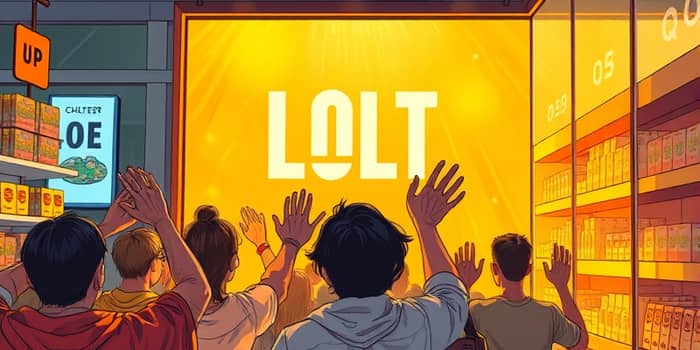
In an era of endless choice and constant availability, brands that master the art of scarcity can profoundly shift consumer behavior. By limited availability drives perceived value, businesses can foster urgency, intensify desire, and capture attention in crowded marketplaces. This article unpacks the psychological foundations, implementation strategies, real-world case studies, and ethical considerations of strategic scarcity, offering actionable insights for marketers and entrepreneurs alike.
Understanding the Psychology of Scarcity
Scarcity taps into deep-rooted cognitive biases. When supply appears constrained, humans tend to assign higher worth to the object or experience. This principle, known as the scarcity effect, can transform ordinary products into highly desirable commodities.
- Fear of Missing Out: The prospect of loss drives swift decision-making.
- Increased Perceived Quality: Rare items feel premium, allowing higher pricing.
- Social Proof Amplification: Observing others purchase intensifies urgency.
Understanding this mindset is the cornerstone of any scarcity-driven campaign. When executed authentically, scarcity can lead to trigger immediate purchase decisions and lasting brand loyalty.
Implementing Effective Scarcity Tactics
Strategic scarcity encompasses a variety of tactics, each tailored to specific goals—whether boosting short-term sales or cultivating long-term brand prestige. Below is a summary table illustrating common approaches.
From countdown timers on checkout pages to invite-only product drops, each tactic can be fine-tuned to target distinct audience segments. Brands should always pair scarcity with genuine value propositions to maintain trust and integrity.
Real-World Success Stories
Numerous leading brands have harnessed scarcity to dominate their markets. These examples highlight how different strategies can yield impressive results:
- Booking.com’s “Only X rooms left” notices drive spontaneous reservations even in highly competitive locales.
- Supreme’s limited-edition drops cultivate a build a sense of exclusivity that fuels resale markets at premium prices.
- Pumpkin Spice Latte by Starbucks, a seasonal launch, evokes nostalgia and consistently breaks sales records each fall.
- Nike’s sneaker releases, timed and numbered, regularly sell out within minutes, creating global buzz.
By studying these success stories, brands can identify which methods align best with their product categories and customer behaviors.
Best Practices and Ethical Considerations
While scarcity can supercharge growth, it carries inherent risks if misused. Authenticity and transparency must underpin every scarcity play:
- Avoid avoid artificial gimmicky scarcity—misrepresenting stock levels can erode consumer trust.
- Communicate real limitations—whether tied to production capacity or exclusive partnerships.
- Balance scarcity with accessibility—offer alternative products to prevent frustration.
- Monitor customer feedback closely to ensure positive experiences and avoid resentment.
By adhering to these principles, businesses can strengthen long-term brand loyalty and fortify their reputation.
Measuring Impact and Future Trends
Quantifiable metrics are essential for evaluating scarcity campaigns. Key performance indicators include:
- Conversion rate lifts
- Average order value increases
- Lead generation from waitlists
- Social media engagement spikes
Looking ahead, digital innovations such as blockchain-enabled limited releases and augmented reality previews will further enhance scarcity-driven marketing. Brands that stay ahead of these trends will gain a competitive marketplace advantage and maintain relevance in volatile markets.
Conclusion
Strategic scarcity is more than a sales gimmick—it’s a powerful psychological lever that can reshape consumer perceptions and behaviors. By embracing responsible scarcity tactics, measuring results meticulously, and prioritizing authenticity, brands can unlock new levels of engagement and profitability. Begin experimenting today, and witness how thoughtfully applied scarcity can transform your market presence and drive sustainable growth.
References
- https://business.sparklight.com/the-wire/marketing/tactics-strategy/scarcity-effect-how-limited-availability-drives-demand
- https://cxl.com/blog/scarcity-examples/
- https://mailchimp.com/resources/scarcity-principle/
- https://optinmonster.com/scarcity-examples-to-boost-your-conversions/
- https://hbr.org/2007/08/how-to-profit-from-scarcity-1
- https://www.samcart.com/blog/scarcity-examples
- https://www.indeed.com/career-advice/career-development/scarcity-marketing
- https://brandshape.com/businesses-scarcity-marketing-strategies-success/
- https://pimberly.com/blog/understanding-scarcity-marketing/
- https://www.netsuite.com/portal/resource/articles/business-strategy/scarcity.shtml
- https://www.marketingdirection.com/marketing-psychology-of-scarcity/
- https://www.referralcandy.com/blog/scarcity-marketing-examples
- https://www.leadfuze.com/b2b-scarcity-examples/
- https://www.shoplazza.com/blog/urgency-scarcity-marketing-strategies